
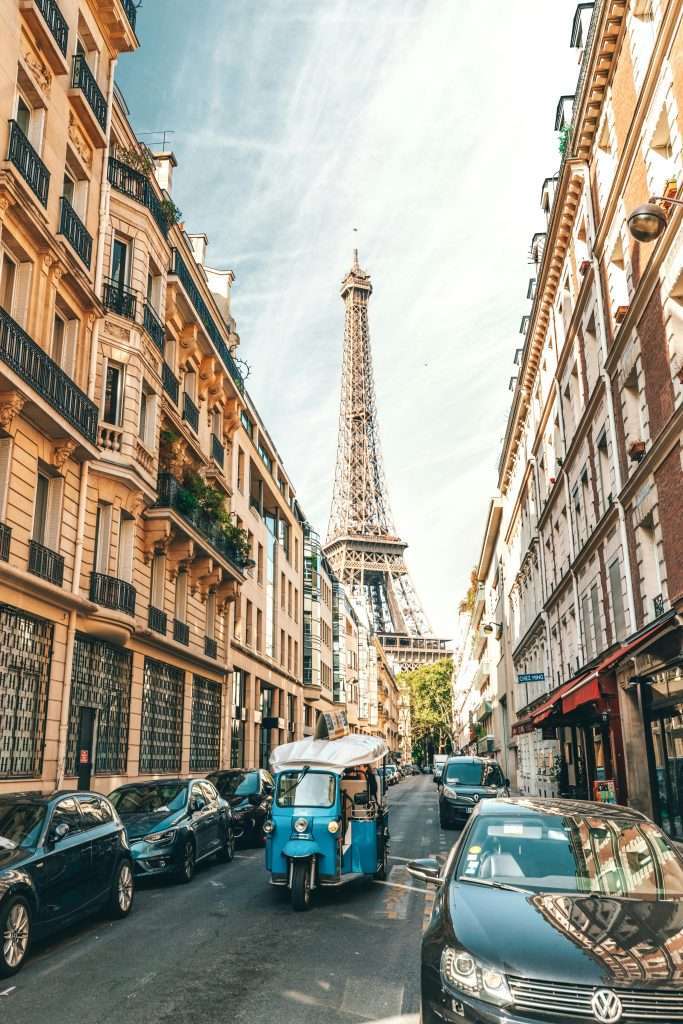
French vs American Culture: Life in France and the USA
A 60+ Traveler’s Eye
Let’s get one thing straight: French culture and American culture are like two cousins who grew up in different countries, came to the family reunion, and realized they both love good food—but one brought homemade pastries and the other brought Cheetos.
Both cultures are rich, fascinating, and full of charm. But if you’re someone who’s ever traveled between the United States and France, you’ve probably had a few “Wait, what?” moments. Maybe it was the first time you tried to kiss a French person on the cheek (more on faire la bise later), or realized that your 2-week vacation is considered a long weekend in France.
I recently had the chance to visit France for the first time, and let me tell you—just spending a little time there opened my eyes to so many significant differences, subtle differences, and a few fun similarities between life in France and the USA.
This isn’t some expert study—it’s simply what I personally noticed along the way.
So grab your hot chocolate or cup of coffee, and let’s dive into some cultural distinctions I picked up during my trip!
Work, Work, Work… or Don’t?
In American culture, there’s a sense that the hard work grind never stops. We glorify the hustle, praise the side hustle, and even brag about not taking time off—because, you know, success waits for no one. There’s a strong emphasis on productivity, performance, and making something out of nothing. That’s the entrepreneurial spirit.
Now enter French work cultures. Cue the calming music.
Here, there’s a significant role given to work-life balance. In fact, French people take their vacation time very seriously. It’s protected like a national treasure. And the french workplace? They’re not looking for 70-hour weeks or “power through the flu” vibes. They’re more into spending time wisely, including outside of work—with family, friends, and yes, a proper lunch break that doesn’t involve typing between bites of salad.
French offices also tend to close by 6 PM, and guess what? French colleagues won’t expect you to answer work emails after hours. Can you imagine?! It’s like a magical adult Disneyland.
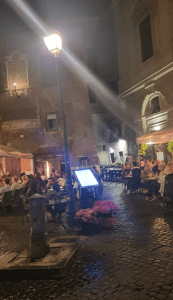
Food Isn’t Just Fuel—It’s an Experience
French cuisine is something you don’t just eat—it’s something you experience. Meals are more than just food on a plate; they’re a ritual, a pause in the day, and often a highlight.
Lunch? That’s usually a sit-down moment, even on workdays. Offices often allow enough time for employees to enjoy a full meal—sometimes with colleagues, sometimes solo with a newspaper. You’re not expected to scarf it down in 12 minutes. And dinner? Oh honey, dinner is where the magic unfolds.
It’s not unusual for a French dinner to last an hour or more, even on a weekday. There’s great food yes, but there’s also conversation, laughter, and often multiple courses: a little appetizer (maybe a few olives or a mini quiche), a main dish (with fresh vegetables you can pronounce), some cheese (always cheese), and possibly dessert—even if it’s just a square of dark chocolate. It’s elegant, but not fussy. It’s about connection. It’s about slowing down.
I enjoyed sitting and watching the locals. They really seemed to be enjoying each other’s company — and surprisingly, hardly anyone was on their cell phones!
Compare that to the fast food drive-thru culture of the United States, where eating in your car while juggling your phone, steering wheel, and a large Diet Coke is basically an Olympic event. In America, food often has to fit into our busy lives. It’s fuel—grab, go, eat while multitasking. Microwaved burrito in one hand, phone call in the other? Sounds about right. Dining tables sometimes feel like furniture we bought because it came with the set, not because we use them regularly.
Even restaurants in the U.S. tend to operate on a “get in, get out” model. Waiters come over with the check while you’re still chewing. There’s no shame in efficiency—it’s part of the culture. But it is a contrast to France, where staying too long at the table is never a crime. In fact, leaving too soon might make your french friends worry you didn’t like the food.
That said, good food exists in both places—there’s no shortage of flavor in either culture. American cuisine has its own richness, with bold flavors, global influences, and giant portions that can feed a small village.
But here’s the thing: the French prefer to spend time savoring it all. A meal in France is rarely rushed. There’s no guilt in taking a long lunch. There’s no side-eye if you order just one cup of espresso and sip it for an hour.
Both are delicious. One just comes with a linen napkin, four forks, and maybe a philosophical discussion on the side. The other? It might come in a paper bag with a side of curly fries—and sometimes, that’s exactly what hits the spot.
But one thing’s for sure: in both cultures, food brings people together. Whether you’re in a Parisian bistro or a small-town diner in the Midwest, there’s something about sharing a meal that reminds us we’re human.
And if you’re fortunate enough to enjoy both styles? You’ll know exactly when to reach for the baguette—and when to go all in on the burger.

Bakery Shops in Paris: More Than Just Bread
One of the absolute joys of Paris (and really, much of Europe) is wandering into a bakery. But here’s the thing — there isn’t just one kind of bakery. Oh no, they take it seriously! Here’s what I learned:
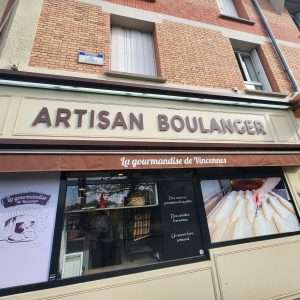
Artisan Boulangerie:
This is the bakery specializing in bread. Fresh baguettes, rustic loaves, croissants (yes, croissants count as bread over there).
If it smells like heaven and you see locals carrying long baguettes under their arm, you’re near an artisan boulangerie. They usually make everything from scratch, and you can taste the difference.
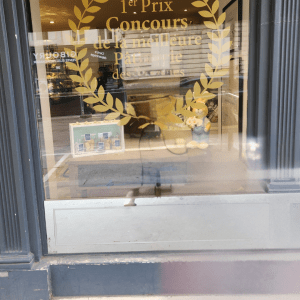
We visited a local bakery that won the 1er Prix Concours de la Meilleure Pâtisserie des Yvelines 2023 for their croissant. They had raspberry croissants, and they were out of this world! I regret only buying one.

Pâtisserie:
Now we’re talking about the sweets. This is your go-to for delicate pastries, colorful macarons, fruit tarts, éclairs, and all those pretty desserts you see in the window that make you forget your diet immediately.
Salon de Thé (Tea Salon)
A bit fancier. This is where you can sit down, enjoy a slice of cake, a pastry, and a cup of tea or coffee in a calm, sometimes upscale setting. Think of it like a tea room but Parisian style — elegant but relaxed.
Café-Boulangerie Combo Shops:
Some spots combine coffee and bread or pastries — a little more casual, a little more neighborhoody. Great for sitting and people-watching while you nibble on a croissant or sandwich.
Every street seemed to offer some variation, and trust me: every time you step into one, it’s like stepping into a dream.
Compared to the U.S., where bakery chains often dominate, Parisian bakeries felt artisanal, fresh, and soulful.
It’s less about mass production and more about real craftsmanship — and when you’re over 60 and have tasted a lot of “meh” over the years, you can taste that difference.
I don’t know what kind of magic they sprinkle on them, but the sandwiches in Europe just taste fresher and better than anything I’m used to back home! At least compared to the places I’ve visited. Most of the sandwiches are premade, so all you have to do is point at what you want — quick, easy, and somehow still unbelievably fresh.
Social Settings: Small Talk vs Deep Talk
Here’s where the low-context cultures vs high-context culture divide really kicks in.
In American culture, it’s totally normal to strike up a conversation with strangers in the grocery store line. You might talk about the weather, your favorite Tiktok trend, or your dog’s recent surgery. It’s casual, quick, and totally acceptable.
In France? Small talk isn’t a major thing. In fact, it can feel… weird. French people tend to keep things a little more formal in public places, especially with people they don’t know. That doesn’t mean they’re rude—just more reserved. It takes a long time to form those close friendships, but once you’re in, you’re in.
In social circles, French society leans more into deep, intellectual conversations over coffee or wine. Politics, literature, philosophy—nothing’s off the table. And when they talk, they really talk. You won’t hear as many “How are you?”s unless they genuinely want to know.
Personal Space & Physical Touch
Here’s where it gets funny (and possibly awkward for first-timers).
In America, we love our personal space. A polite distance is appreciated, and physical touch—especially among new acquaintances—is limited to handshakes or the occasional awkward pat on the back.
In France? Faire la bise is the norm. That cheek-to-cheek air kiss can catch many foreigners off guard. And while it’s adorable once you get used to it, it’s definitely one of those clear differences between cultures.
French men and french women often take a bit longer to open up, but once they do, personal relationships run deep. You might not get a tour of their home on your first visit, but you’ll get meaningful conversation over a well-cooked meal.
In contrast, Americans tend to welcome you quickly, share a lot, and maybe even give you their phone number after a friendly chat.
But both cultures value family members, special occasions, and the importance of having people in your corner.
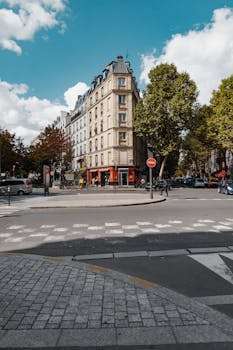
Hotels: Espresso Machines, Bidets, and a Little Learning Curve
Hotels in Europe are absolutely charming — but if you’re used to American hotels, prepare for a few surprises (and a few chuckles).
Bidets
Many hotels have two toilet-looking things in the bathroom: one’s your regular toilet, and the other is a bidet (basically, a little personal water sprayer).
If you’ve never used one before, it’s… well, an experience! Some people swear by them. I mostly just stared at mine for the first day like it was a mystery prop from a European sitcom.
Coffee
If you’re used to American Starbucks basically punching you in the face with strong coffee, you might feel a little… underwhelmed in France.
First off:
Espresso machines in every room!
Not the trusty Keurig you’re probably used to seeing in U.S. hotels, where you pop in a pod and feel like a barista in 3 seconds.
Nope.
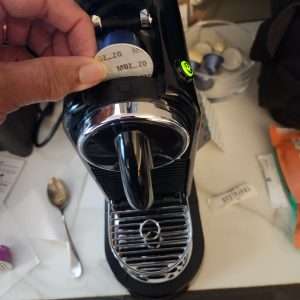
In Europe, most hotel rooms come with a fancy little espresso machine that looks like it requires a manual (and maybe a minor engineering degree).
I’ll be honest — I had to call the front desk for a quick tutorial on my first night. Once I got the hang of it though, that rich, tiny shot of espresso every morning made me feel very European. (Even if I still longed for a giant American coffee on some days!)
Speaking of coffee — here’s a survival tip:
If you just ask for “coffee” at a café in Europe, you’re probably going to get a small espresso — tiny cup, strong shot, blink and you’ll miss it.
If you want something closer to the American-style bigger cup of coffee, you need to ask for an “Americano.”
An Americano is basically an espresso with hot water added — it’s more familiar to U.S. taste buds, but still not quite the mega-size we’re used to back home. (No venti caramel frappes over here, folks!)
And Starbucks?
It might look the same on the outside, but the coffee isn’t as strong as what you’ll find in the U.S. At least in my opinion.
Plus, if you want sugar or cream, you have to ask for it — and even then, their sugar just isn’t as sweet. Europeans seem to actually enjoy the taste of coffee without drowning it in syrups and sweeteners. (Meanwhile, I was over here wondering if I should have packed my own mini bottle of French Vanilla.)

Toilets and Bathrooms: Pay to Play, But Worth Every Penny
One thing you learn quickly traveling through Europe: you gotta pay to pee.
Yep, most public bathrooms require a small fee — usually a few coins — to use. It was a 1.50 E and some places like the 2.50 E(Pro tip: always carry a little change in your pocket!)
But honestly? It’s worth it.
Every single public bathroom I used — whether in Paris, London, Spain, or Italy — was sparkling clean.
And they’re way more private than many of the public restrooms in the U.S.
Stalls are fully enclosed, floor to ceiling. No awkward gaps where you can see someone’s shoes or, heaven forbid, make accidental eye contact.
Many public bathrooms even have an attendant nearby, keeping everything spotless and restocking supplies.
Now, if you’re eating at a restaurant or visiting a paid attraction like a museum, you can usually use their bathrooms for free — no coins needed.
But otherwise? Be prepared to pay a little toll to answer nature’s call.
And honestly, as someone who’s been stuck in some very questionable U.S. public restrooms over the years, I have to say — I would happily drop a euro for a clean, private, fresh-smelling bathroom. Every. Single. Time.

Kids, Crowds, and Keeping Up
One of the first things that jumped out at me in France—especially in Paris—was the way parents and their kids handle walking in busy areas.
In the United States, we tend to helicopter a little. You’ll see parents clinging tightly to their little ones, holding hands with a death grip anytime there’s a crowd. (Been there. Still have shoulder pain from dragging my kid through New York City once.)
In French culture, though? The vibe is very different. French parents don’t necessarily walk with their kids attached at the hip. It’s more like, “Keep up, honey, or get left behind.”
You’ll often see kids hustling along behind their mom or dad, no stroller in sight, no constant hand-holding, just a sense that, you better keep those little legs moving if you want to make it to the boulangerie.
And honestly? The kids seem fine. They’re independent. They’re alert. They’re probably also secretly motivated by the good food waiting at the next stop.
Now, add that to the fact that in the heart of Paris, it’s crowded. I mean, really crowded. Especially around the tourist hotspots like the Eiffel Tower, the Louvre, and the charming (but shoulder-to-shoulder packed) little shops in places like the Marais or Saint-Germain.
Walking through Paris often feels like being in a very stylish, very polite marathon you didn’t sign up for. People are weaving in and out of narrow sidewalks, scooters are whizzing by, there’s a guy selling Eiffel Tower keychains every 10 feet, and if you stop moving for even a second? You will get bumped. Gently. But still bumped.
BEWARE
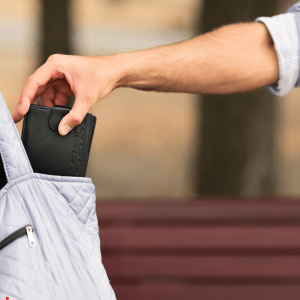
For the most part, we felt safe, but we were aware that pickpockets were everywhere. We met a guy in Rome who told us his wife’s wallet had been stolen, so we stayed watchful and diligent. I kept my backpack-purse in front of me and made sure to keep an eye on it at all times.
Shops spill out onto the sidewalks with outdoor displays, cafés cram tables just inches apart, and at the tourist sites—forget it. You better pack your patience and wear comfy shoes. There’s no “taking your time” when you’re crossing Place du Trocadéro on a sunny afternoon. It’s more like strategic crowd surfing, with a baguette in one hand and your phone GPS screaming in the other.
But here’s the thing—this is Paris life. It’s energetic. It’s alive. And in a weird way, even the chaos has a rhythm to it. French people, tourists, kids, dogs, business folks—they all move like a big, messy, beautiful river of humanity flowing through the city’s veins.
So, if you’re traveling with kids, just know: there’s no hand-holding marathon here. Teach them the fine art of keep up and look fabulous doing it.
Bonus points if you can carry a tote bag, sip an espresso, and navigate a cobblestone street at the same time.
Vive la Différence!
At the end of the day, there’s no “right” or “wrong” way to live. Just different ways, shaped by history, tradition, and social norms.
The flip side of cultural contrast is that it helps us grow. Traveling, living abroad, or just chatting with someone from another country can give you a whole new outlook. You’ll find good ideas in both places—and maybe even blend them into your own way of living.
So whether you’re swapping stories over espresso with French friends, grabbing burgers with your American crew, or posting your adventures on Tiktok for both sides of the ocean to see — soak it all in.
Life’s too short not to enjoy both a buttery croissant and a pile of fries.
Your Turn!
Ever experienced life in both France and the US? Noticed any key phrases or behaviors that totally surprised you? Drop your personal experience in the comments!

17 thoughts on “French vs American Culture: Life in France and the USA”
What a beautifully written and insightful comparison! I loved how you highlighted the small but powerful cultural differences with warmth and humor. It’s a great reminder of how much we can learn by simply observing and embracing new ways of living.
Thank you! Thanks for reading!
I loved reading this post. The Aus/NZ coffee culture is very similar to French coffee culture. I can think of two Starbucks locations here in Melbourne but plenty of coffee shops. I wish that we also had the work life balance that they have, it would be so good. It really shows how much pressure is put on working. Lovely written post – ash
Thanks! I do agree, the U.S. can learn a lot from work-balance. It’s so rushed here; I am ready to go back to Paris!
As a Frenchwoman, I can honestly say that it’s all true. Dinner can last for hours on a normal day, imagine during the festive season. I’m glad you were lucky enough to have squeaky clean public toilets, that’s not often the case, or maybe I’m just unlucky.
Great article, funny and brought back memories for me too.
Thanks for sharing!
Yeah, I’m super picky about using public toilets, so honestly, I didn’t mind having to pay—LOL. I was mostly in the touristy areas, so maybe that’s why they were so clean. I love your country! I just wish we could bring back some of the style and culture with us.
I so enjoyed reading this post, and I love the life on this other side of the world. The work balance is so emphasized, which is a great thing (if you ask me). La difference, elle est la…. Thanks for sharing this vivid and remarkable visit a Paris!
You are welcome and thanks for reading. Truly it was a fun visit and learning about the French.
Great read! I love how you captured the everyday charm of French vs. American life without relying on clichés. It’s relatable, warm, and thoughtfully written!
Thank you!
I’ve only visited France, but I’ve spent half my life in the US and half in Europe, and there are noticeable differences. Life in Europe feels more relaxed—people seem to live slower and enjoy the moment more.
So true. That’s what I observed the little time I have been there. I wish it was like that in the U.S.
interesting post. I’m neither American or French, but I do agree that the European culture does far less “helicoptering” than America.
I wish I had read this before our recent trip to Paris becauase this is very informative!
You captured the 2 cultures so well, with real life experiences. You shared some good information to help anyone have a good experience.. Thanks for sharing!
I am from America and loved this post! It’s fascinating to observe the cultural differences!
Thank you!