
Why Do People Hate Aging? And How to Make Peace with It
Aging is one of those things in life that happens like it or not. Some people embrace it, some ignore it, and others absolutely hate it. But why do people dislike getting older so much? In the United States and beyond, ageist attitudes make older adults feel like they are being pushed aside.
One major reason is that society places an overwhelming emphasis on youth and physical appearance. From a young age, people are bombarded with messages that being young is synonymous with being attractive, energetic, and full of potential. Older adults, on the other hand, often find themselves portrayed in media as frail, out-of-touch, or struggling with the aging process.
This reinforces negative stereotypes and creates negative feelings about later life.

Everyone Ages Differently
Aging happens at different speeds for everyone, making comparisons tough. Some people age smoothly, while others show more signs like wrinkles, gray hair, and changes in their health.
This variation can lead to frustration and anxiety, particularly when younger generations fail to appreciate the wisdom and experiences that come with age.

Social media also plays a significant role in shaping people’s perceptions of aging. Young people flood platforms with edited, filtered photos, creating unrealistic beauty standards. Older generations, including baby boomers and older Americans, often feel left out or pressured to turn to cosmetic surgery, dermal fillers, or exfoliant creams to maintain a youthful look.
The push to “stay young” creates a cycle of dissatisfaction, making it harder for many to embrace their later years with confidence.
Aging Concerns
Beyond appearances, practical concerns also contribute to the fear of aging. Many older workers worry about job security, as younger adults are often favored in hiring and promotions. The American Association of Retired Persons (AARP) advocates for older workers, but age discrimination remains a real issue. Meanwhile, concerns about healthcare costs, social protection, and the ability to maintain a comfortable home in later life add to the anxiety.
Spending time with different generations can help reduce ageist attitudes and build understanding. When young people interact with older adults, they learn to appreciate their wisdom and experiences. Family, friends, and community programs can encourage respect and a positive view of aging.

Why People Dislike Their Age
Gray Hair – The moment those silver strands start to show up, some people panic. While some embrace it and go full silver fox, others rush to the salon, trying to cover it up as fast as possible. Grey hair can make people feel like they are being labeled as “old people,” even when they feel youthful inside.
Wrinkles and Age-Related Changes – Fine lines, deep wrinkles, sagging skin—it all becomes a reality. Skincare routines get more intense, and anti-aging creams, exfoliant creams, and dermal fillers start taking over the bathroom counter. It’s a sign of experience, but also a sign of time moving forward, and not everyone is ready for that.
Being Called Old – Some people mean well when they say, “You’re aging gracefully,” but others come with statements like, “Wow, you look good for your age!” It’s like a backhanded compliment. Why can’t people just say, “You look great!” and leave it at that? Older people’s experiences with these comments often create negative feelings about the aging process.
AARP and Senior Discounts – The first time someone asks, “Do you have AARP?” or “Are you interested in senior benefits?” it can feel like a punch to the gut. It’s as if the world is rushing to push older Americans into a new phase of life that they may not be ready for. The American Association of Retired Persons (AARP) provides great benefits, but not everyone is thrilled about being reminded that they qualify. Some people associate these perks with an acknowledgment that they have entered their later years, a stage of life they may not be emotionally ready to embrace. While senior discounts and social protection programs can be incredibly helpful, they also serve as reminders that aging is an irreversible part of life.
The Shift in Attention
When you’re younger, people compliment your physical appearance, your energy, or your style. As you age, the compliments start to fade, or worse, they get replaced with, “How’s your health?” or “You’re still working at your age?” It can feel like people see you differently, even if you feel the same inside. Younger people often receive praise for their accomplishments and ambitions, while older generations may feel they are overlooked. This shift in social dynamics can lead to feelings of invisibility, making older adults feel like they have lost their relevance in both personal and professional spaces.
Meet Lisa – Tired of Being Called Old
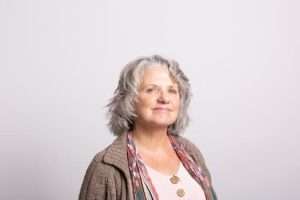
Lisa is 61. She works at a department store, enjoys her job, and still feels young at heart. But lately, something has been driving her crazy.
Her coworkers, Dawn and Janelle, are both older than she is. But guess what? People constantly tell them, “No way you have a 20-year-old daughter! You look way too young!” or “Girl, what’s your secret? You don’t age!”
Lisa? She never gets those compliments. Instead, she gets asked if she lives in a senior citizens’ apartment. People assume she’s a grandma, even though she doesn’t have grandkids. Customers casually ask if she has AARP, and when she says no, they look surprised. Someone even recommended a senior yoga class to her.
She’s over it.
Lisa doesn’t want to be called old. She doesn’t want to be pushed into the “senior” category just because of her age. She feels the same as she did in her 40s, so why does the world insist on making her feel like she’s ancient?
One day, after yet another customer asked about her “senior benefits,” Lisa vented to her coworkers.
“Why do people treat me like I’m 90 when I’m only 61?” she groaned. “You two are older than me, and nobody ever asks if you have AARP!”
Janelle laughed, “Maybe it’s your vibe, Lisa. You’re giving off responsible energy. People think you have your retirement all figured out.”
Dawn smirked, “Or maybe it’s time to shake things up. You wanna look younger? Let’s do it!”
Lisa thought about it. Maybe her coworkers had a point. She had always been practical, dressing for comfort rather than style. She rarely experimented with new looks or did anything different with her hair. Maybe it was time for a change.
The next weekend, Lisa went out shopping with Dawn and Janelle. They convinced her to try on different outfits—ones that were stylish but still comfortable. She picked up a couple of bright-colored tops, a trendy pair of jeans, and even some fun accessories. Then, they headed to a salon, where Lisa got a fresh haircut that made her feel instantly lighter.
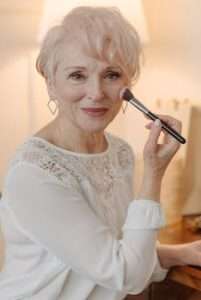
Monday morning, Lisa walked into work feeling like a new woman. She had on her new outfit, her hair had some bounce to it, and for the first time in a long time, she felt good. She wasn’t expecting much, but as soon as she stepped behind the register, a customer smiled at her and said, “Wow, you look great today! What’s different?”
Lisa beamed. “Just trying something new!”
It was a small moment, but it made a big difference. Maybe she couldn’t stop people from asking about senior discounts, but she could control how she felt about herself.
How You can feel Better about Aging
Lisa decided she was done being frustrated. Instead, she took steps to change how she felt about aging. Here’s what she did—and what you can do too!
Switch Up Your Style
Lisa realized she had been dressing for convenience rather than fun. She went shopping and got clothes that made her feel confident.
She experimented with colors and patterns she had never tried before and added statement pieces that gave her wardrobe a fresh, modern feel. A fresh haircut and some bold accessories later, she started feeling like herself again.
She even invested in stylish but comfortable shoes that made her feel polished yet practical. Making a few intentional changes helped her feel more put-together and excited about getting dressed each morning.
Lisa also found that accessorizing with earrings, scarves, and well-chosen handbags could easily elevate her look, making her feel more vibrant without requiring a complete wardrobe overhaul.

Take Care of Your Skin
Lisa started moisturizing like it was her new full-time job. She tried new skincare products and learned how to highlight her features. It wasn’t about looking young—it was about looking vibrant.
She incorporated exfoliant creams to remove dead skin cells and serums that enhanced her skin’s natural glow. She also made sure to wear sunscreen daily, realizing that protecting her skin from sun damage was one of the best things she could do.
Instead of chasing youth, she focused on creating a healthy, radiant look that made her feel confident. She also started using facial massage techniques to promote circulation, helping her skin appear firmer and refreshed.
Stay Active
Lisa started walking more and even joined an aerobics class. Physical activity helped her feel energetic and strong. Older persons benefit greatly from staying physically active, which supports both mental and physical health.
Lisa started walking more and even joined an aerobics class. Physical activity helped her feel energetic and strong. Older persons benefit greatly from staying physically active, which supports both mental and physical health.
Staying active became less about exercise and more about enjoying activities that made her feel good. She also started doing strength training exercises, realizing that building muscle helped maintain her overall vitality.
Focus on the Positive
Lisa shifted her mindset to embrace the good things about aging. She enjoyed quality time with family members, made a conscious effort to appreciate later life, and found joy in intergenerational contact with younger generations.
She reminded herself of all the wisdom and experiences she had accumulated and chose to see them as strengths. Instead of dwelling on what she lost, she focused on what she gained—stronger relationships, a deeper level of self-awareness, and the ability to live life with more intention.
Be Open to New Things
Aging doesn’t mean stopping. Lisa explored new hobbies, traveled, and embraced learning. She took up painting, something she had always wanted to do but never made time for. She also signed up for a local book club and connected with people who shared her interests.
Older adults who stay engaged with new experiences tend to have a deeper level of satisfaction in life. She realized that trying new things kept her mind sharp and her spirit adventurous, proving that there is always something new to look forward to in life.
Positive Representations of Women Over 50 and 60 and Up
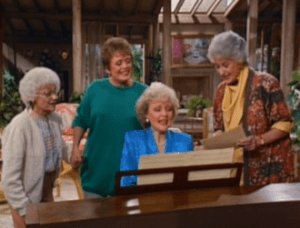
Despite the negative stereotypes surrounding aging, there are many positive representations of older women that inspire confidence and empowerment. One of the most beloved examples is The Golden Girls, a TV show that celebrated the wit, independence, and friendships of four older women. The series broke stereotypes by showing that life doesn’t stop at 50 or 60—it’s full of laughter, love, and personal growth.

Another great example is Helen Mirren, an actress who continues to be a force in Hollywood, proving that aging doesn’t mean losing relevance. She embraces her age with confidence, showing that beauty and elegance are timeless.
Similarly, Oprah Winfrey has remained an influential and powerful figure well into her later years, using her wisdom and experience to continue inspiring millions. She has redefined what success and personal fulfillment look like in later life, proving that age is not a limitation.

Other inspiring figures include Jane Fonda, who continues to advocate for health, wellness, and social activism well into her 80s, and Meryl Streep, who has maintained a thriving acting career by taking on complex and powerful roles. These women prove that aging is not about decline but about embracing new opportunities and evolving in different ways.
Beyond celebrities, there are growing movements that celebrate aging. The pro-aging movement encourages people to reject anti-aging pressures and instead embrace natural beauty and life experience. More brands and magazines are now featuring older women as models, promoting a healthier and more inclusive vision of beauty.
Aging Is a Part of Life—Make It a Good One
At the end of the day, aging happens to all human beings. The aging process is not something to fear but something to embrace. Instead of focusing on negative stereotypes, embrace positive feelings about later years. Aging at different rates is normal, but making a conscious effort to enjoy life is key.
So, put on that bold lipstick, take care of your skin, stay active, and remember—you are still you, no matter your age!

13 thoughts on “Why Do People Hate Aging? And How to Make Peace with It”
It is one of my problems. I’m still under 50 but already started to worry about aging and body changes. I’m trying to accept it is part of life, but sometimes it is kinda sad. I`ll check Jane Fonda on social media.
It can be difficult adjusting to the later years of life. I’m 67, and my wife is 62, so we know that struggles are associated with getting older. But there are many ways to deal with it. Your post is very inciteful about the subject.
Thank you. I am the same age as your wife.
I dislike aging because – and this is going to sound vain – I feel like I’m not as attractive as I used to be, it’s harder to lose weight, my hair is unruly, and my body aches. But I’m slowly making peace with my age and doing what I can to slow down the clock.
Thank you for such an insightful look into why people hate aging. As someone in her mid-40s – I’m starting to show some grey hair and wrinkles and I’m not sure how I feel about it just yet. I love your insight into how to make peace with the aging process!
47 and thriving! I don’t feel old at all, just wiser, stronger, and more confident in who I am. Every year brings more lessons, more growth, and more reasons to embrace the journey.
Absolutely! Aging is a privilege, not a limitation. Every stage of life brings its own beauty, wisdom, and opportunities. Embracing it with confidence, self-care, and a positive mindset makes all the difference. After all, age doesn’t define us, how we live does!
Thanks for sharing! Having just turned 40, I needed to read this also. My end goal is to write words, train, travel and have tub in my 40s and beyond!❤️🔥
Aging can be tough and invigorating, too. I love this post as totally identify with so much of it!
I dislike aging but I see some takeaway in this article
These are really so nice tips you shared.
I intend to grow older gracefully and will embrace the grey and wrinkles!
Me too!